
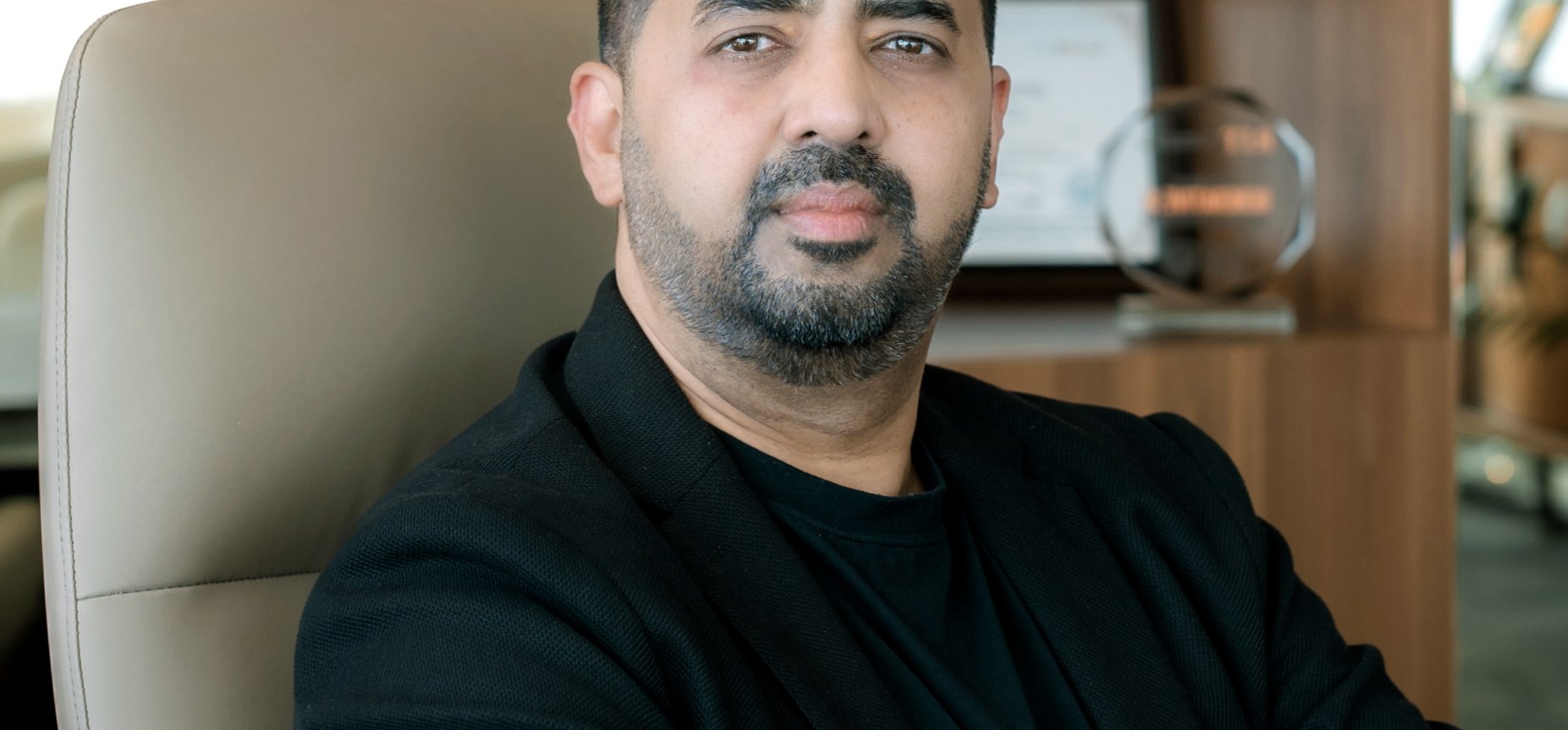
Social gaming restaurants could represent the next chapter for the UAE’s food and beverage sector, as consumers seek out destinations that bring dining, entertainment and social connection together, according to serial entrepreneur and investor Varis Sayed.
The $25m fund is being raised from carefully selected investors, with Sayed acting as a strategic investor. Drawing on a background in sport, cinema and entertainment, the concept is built around the idea that a meal out should be an experience, not just a table booking. The concept would bring together all-day dining and games including mahjong, backgammon and chess, giving guests a place to meet, eat and play all day long.
The move comes as Dubai’s hospitality groups are capitalising on social gaming as a business in its own right. Sunset Hospitality Group launched a dedicated Social Gaming division with Kapitol, a 30,000-square-foot venue at Rixos Premium Dubai JBR that combines dining with bowling, mini golf and racing simulators. Homegrown Brass Monkey, meanwhile, has expanded its dining and gaming concept to a third Dubai location in Motor City. Varis Sayed sees the next opportunity in the all-day restaurant, where a game of mahjong, backgammon or chess gives guests a reason to meet over coffee, linger over lunch or come back for a rematch. For operators, that creates more reasons to visit beyond the traditional lunch and dinner rush.
“Dining out is changing. People no longer want to simply sit and eat. They want to play, compete and connect over a meal,” said Sayed. “Social gaming restaurants bring those elements into one space. Whether it is a game of chess over coffee or an afternoon of mahjong with friends, the opportunity is to create destinations that people want to return to throughout the day.”
The move reflects a global shift in how people socialise and are moving towards experience-led hospitality, where restaurants and leisure venues are creating new ways for customers to meet.
Research published by Mintel in 2023 found that 64% of Gen Z consumers in the UK had played a social entertainment game in the previous month, compared with 60% who had visited a pub for a drink. The findings point to the appeal of social activities among younger consumers, although the research covers a broader range of games and entertainment formats.
Sayed believes Dubai’s diverse population and established hospitality sector make it a compelling market for the concept, with the potential to appeal to residents and visitors across generations.
“Dubai has consistently embraced new hospitality concepts and brought together people from different cultures. Games such as backgammon, chess and mahjong have that same ability to bring people around a table,” Sayed added. “Our ambition is to create a destination where the quality of the food and hospitality is matched by the experience itself, giving guests another reason to spend time together and return.”
Further details on the venues, locations and opening dates will be announced in the coming months.


