
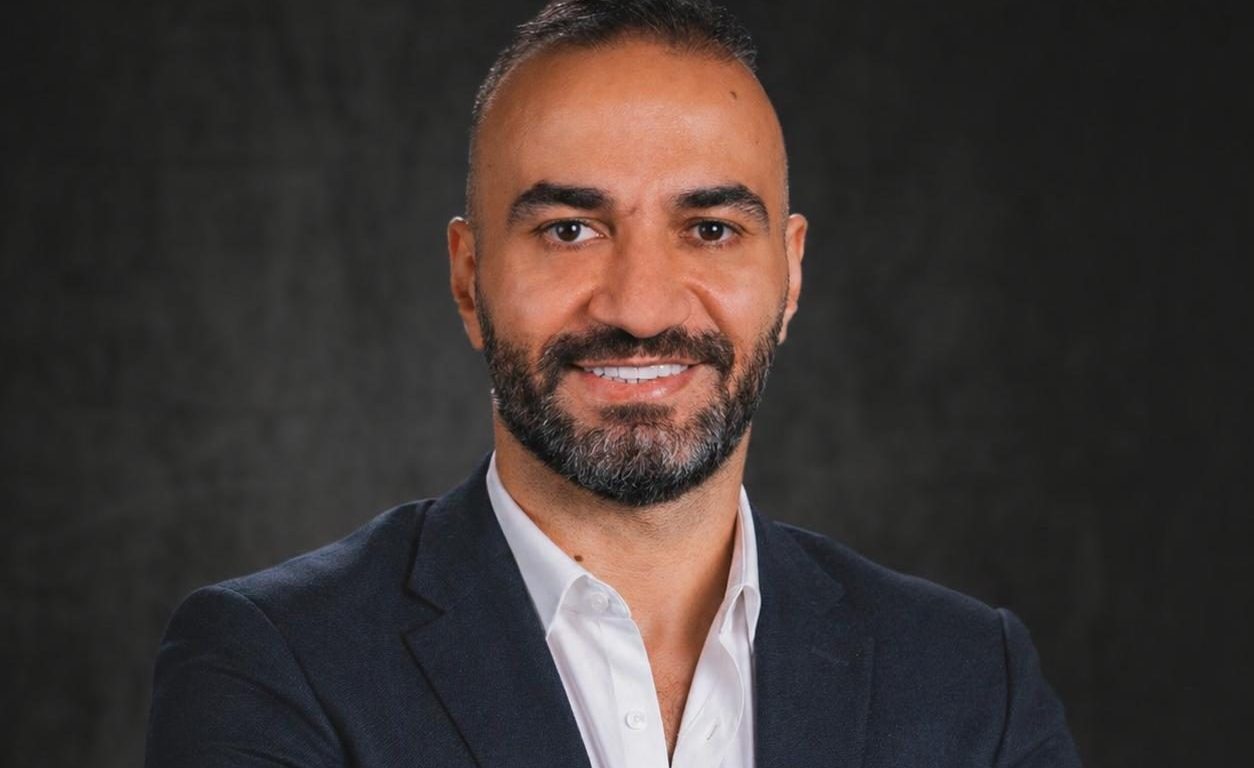
Luay Fawaz, Marketing Strategist and Founder of Create Nation Marketing, stressed that the real impact of AI in marketing goes far beyond content creation.
Most conversations about AI in marketing still begin and end with faster copywriting, automated social posts, AI-generated visuals, and quicker production cycles. But according to Fawaz, that is only the surface level.
The deeper shift, he explained, is happening in research, analysis, strategy, and decision-making. This is where AI is genuinely changing the quality of modern marketing.
Before AI, a thorough audience analysis, competitor audit, or market sizing exercise could take days. Today, much of that work can be done in hours. Before AI, identifying behavioural patterns across large data sets often required a dedicated analyst. Today, a strategist can explore those patterns in real time, even before stepping into a client meeting.
Fawaz noted that this is not simply a minor efficiency upgrade. It fundamentally changes the quality of thinking that happens before a single piece of content is created.
Better research leads to sharper briefs. Sharper briefs lead to stronger creative, which leads to more relevant campaigns. That chain reaction, he said, is where AI creates its most lasting impact.
This matters even more in a market like the UAE, where audiences are diverse, multilingual, and culturally layered. Fawaz emphasized that insight is not optional in such a market. A message built on weak research will struggle, no matter how polished the execution looks.
Content creation may be the visible output, but strategy, insight, and understanding are what make that output valuable. AI is now accelerating both sides of the equation, which means the standard for what counts as good marketing has moved up permanently.
Fawaz added that the agencies and brands that win will not simply be the ones using AI to produce more content. They will be the ones using AI to think better, research deeper, and make decisions faster before they ever brief a creative team.
“Volume was never the goal. Intelligence was.”


