
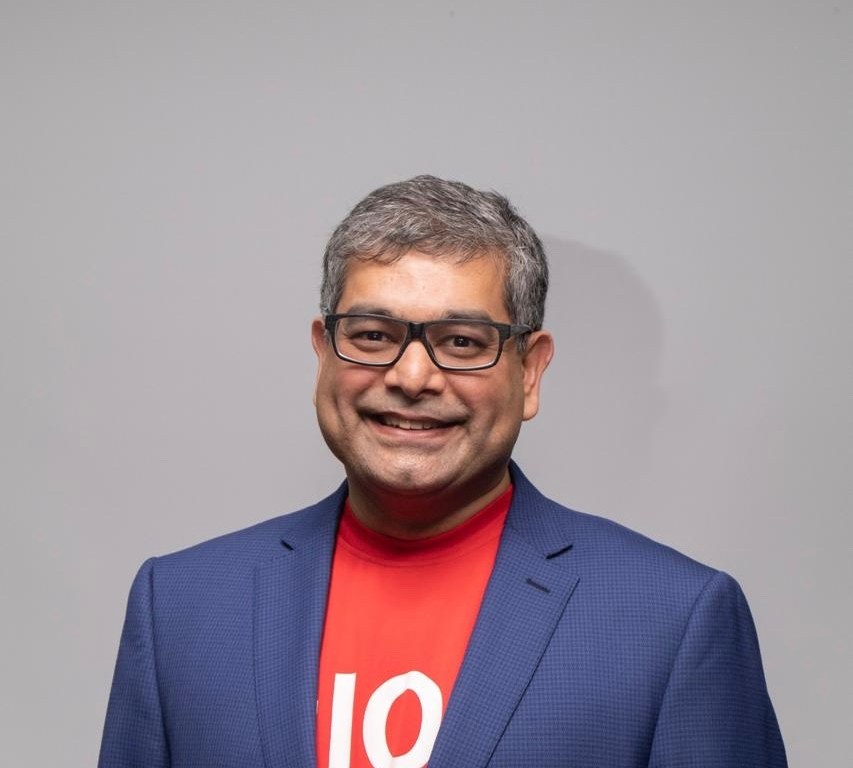
Dubai’s property market is set to remain one of the world’s top-performing real estate markets in 2026, supported by sustained transaction activity, a diversified economy, and rapid innovation in how real estate is bought and owned, according to an exclusive analysis released today by Juwai IQI Co-Founder and Group CEO Kashif Ansari.
“Dubai has moved well beyond the days when people could dismiss it as a speculative market,” he said. “Sales climbed in the first quarter despite the global situation. End-users and long-term investors are driving demand, supported by a resilient economy and consistent government policy.”
Built to Deliver Stability Through Global Cycles
“Buyers made 47,996 purchases in the first quarter of 2026,” said MrAnsari. “That’s 5.5% higher than a year ago. While the number of villa transactions was up 18%, the most popular listings were off-plan, and these early-stage purchases accounted for 70% of all transactions.
“The good news is that growth remained strong throughout the quarter and wasn’t limited to just January and February. In March, the value of off-plan sales were up by 8.9% compared to the same month in 2025.
“Investors naturally look for stability when global conditions are uncertain,” said Mr Ansari. “Dubai continues to stand out because of its fundamentals. The country has low government debt relative to many developed markets, substantial sovereign wealth assets, and a non-oil sector that contributes most of the economic activity, spanning tourism, logistics, finance, and technology.”
A Strong Start to 2026 Reinforces Market Confidence
“What is especially notable is how well Dubai performed in the first quarter of 2026,” continued Mr Ansari. “Transaction activity remained robust and pricing trends stable, even as global sentiment fluctuated. This consistency shows that Dubai’s market is now driven more by domestic fundamentals and long-term demand than short-term external shocks.”
“Dubai recorded one of its strongest years on record in 2025, with more than 200,000 real estate transactions and total values exceeding AED 500 billion, according to Dubai Land Department data. The momentum carried into 2026, with January alone delivering exceptionally strong sales volumes and continued demand in both the mid-market and luxury segments.
“From an investment perspective, rental yields in Dubai remain among the most attractive globally, typically ranging around six to seven per cent for apartments, with villas slightly lower. Combined with the absence of annual property taxes, this continues to position Dubai competitively against major global cities such as London, New York, and Singapore.”
Technology Is Opening the Door to New Buyers
“The part of this story I find most exciting is how technology is expanding access to real estate,” said Mr Ansari. “Dubai is actively exploring property tokenisation and digital ownership frameworks, which have the potential to lower entry barriers and bring a new generation of investors into the market.
“At the same time, Dubai is strengthening its position as a global technology hub. Initiatives such as Dubai AI Week and the expansion of the Dubai AI Campus are attracting international talent and companies. These sectors will play a key role in driving future housing demand.”
Mr Ansari concluded, “At Juwai IQI, we see Dubai as one of the standout destinations as global capital looks for transparency, stability, and growth. Demand from international buyers remains strong, supported by Dubai’s openness and investor-friendly policies. Price growth is moderating into a more sustainable range, which is a healthy sign of a maturing market. For investors and homebuyers alike, Dubai continues to offer a compelling long-term opportunity.”


