
By Shereen Shabnam
Few artefacts in Islamic history command the depth of reverence, symbolism, and scholarly attention as the sword known as Zulfiqar. Inseparably associated with Ali ibn Abi Talib, cousin and son-in-law of the Prophet Muhammad (Peace be upon him), Zulfiqar is far more than a historical weapon. It is a living symbol of justice, courage, divine support, and moral authority, values that continue to resonate across centuries, cultures, and schools of thought within Islam.
While Zulfiqar has long been depicted in art, literature, and popular symbolism, opportunities to physically view and study a sword believed to be its authentic historical counterpart are extraordinarily rare. In this context, recent access granted to a select group of respected Islamic scholars and experts marks a significant moment in the ongoing discourse surrounding one of Islam’s most revered relics.
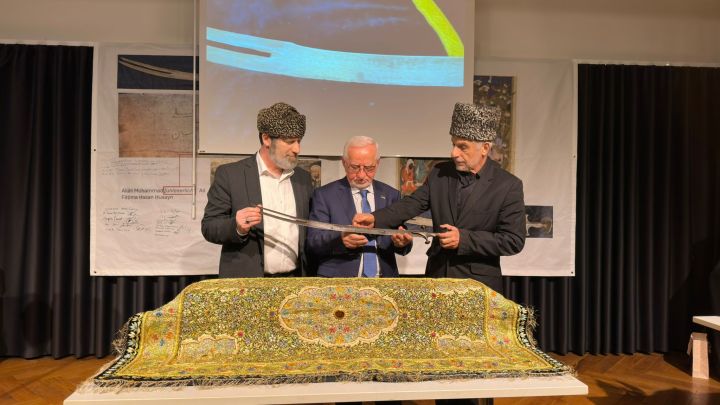
This feature brings together informed scholarly perspectives from experts who have personally examined the sword currently held in secure custodianship under Swiss law. Through close observation, comparative analysis with classical Islamic texts, and rigorous historical study, the scholars independently reached the same conclusion: that the artefact they examined aligns convincingly with early descriptions of Zulfiqar and cannot be dismissed as a later symbolic or decorative reproduction.
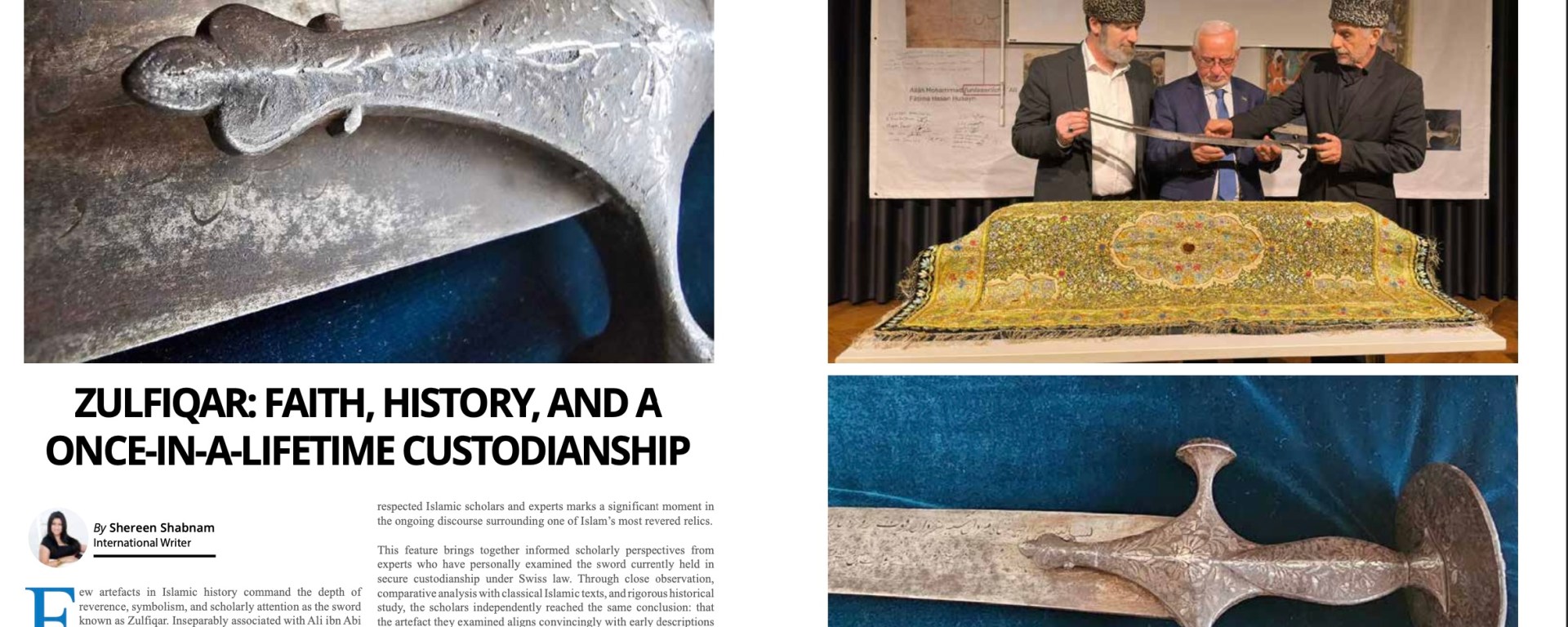
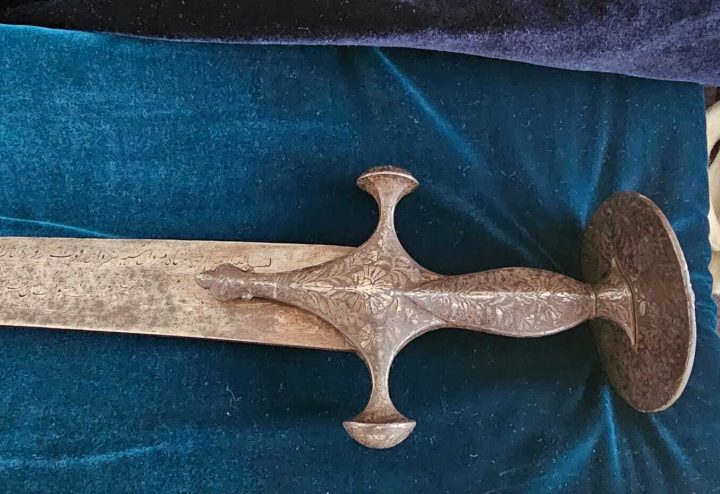
Their assessments extend well beyond visual admiration. Drawing on established principles used in the authentication of religious artefacts, the scholars identified specific physical characteristics that support the sword’s early origins. Forged from wootz steel and bearing the hallmarks of a true battle blade, its proportions, material integrity, and craftsmanship correspond closely with weapons produced during the formative centuries of Islam.
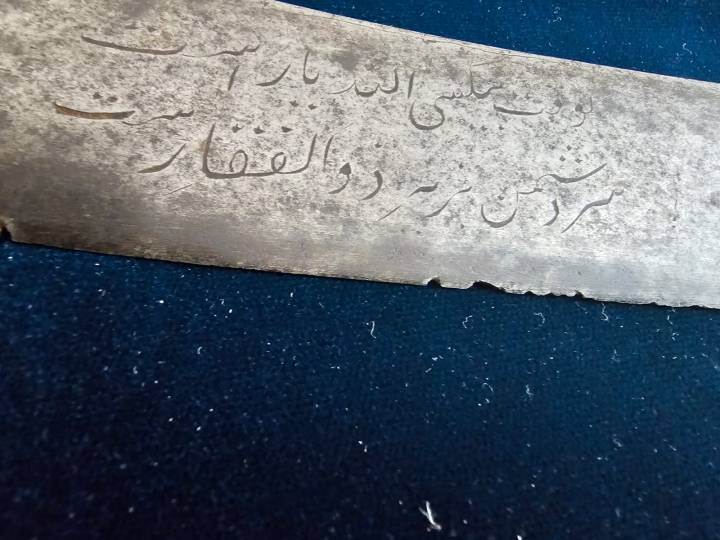
Particularly striking are the sword’s inscriptions. The blade bears names of profound spiritual significance: Allah, the Prophet Muhammad, Fatima, Ali, Hasan, and Husayn. Most notably, the name Zulfiqar itself appears repeatedly, more frequently than on any other sword traditionally associated with this legacy. For scholars, this detail carries exceptional weight. Such inscriptions are not ornamental flourishes; they are devotional declarations that anchor the object firmly within Islamic spiritual and historical consciousness.
Equally compelling is the spiritual dimension described by those who encountered the sword firsthand. Scholars who viewed the sword recently spoke of an overwhelming sense of responsibility, recognising that artefacts of this nature are not merely objects of study or admiration, but has sacred links to our civilisation.
While heritage is increasingly digitised, replicated, or simplified for consumption these days, the presence of an artefact so deeply rooted in faith serves as a powerful reminder of our history. The scholars who viewed the sword emphasised that the true importance of Zulfiqar lies not in its blade, but in what it represents: principled strength guided by divine responsibility.
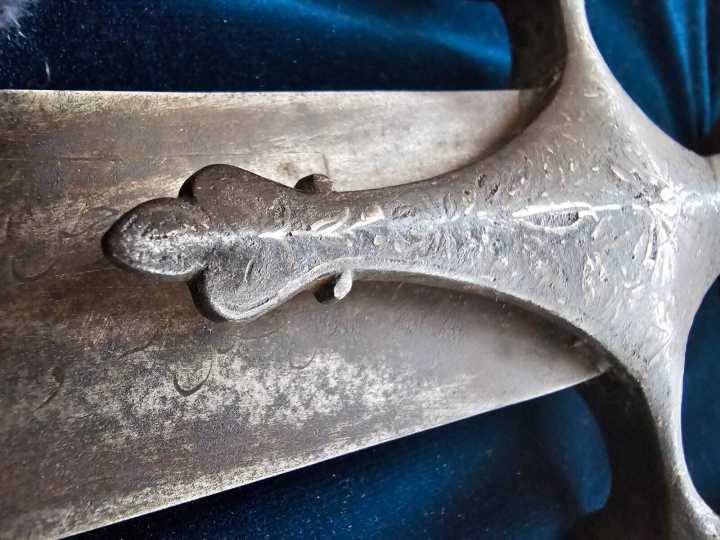
Beyond its scholarly significance, Zulfiqar occupies a rare position at the intersection of faith, art, and global heritage. It has previously featured in a European museum exhibition accompanied by a multilingual catalogue, offering measured public visibility without compromising academic integrity. Each time it has surfaced, it has drawn quiet fascination for the way it bridges metallurgy, epigraphy, history and spirituality.
Today, the sword remains in discreet private custody, with its current guardian choosing not to commercialise its significance. Any future transition is framed not as a sale, but as custodianship, entrusting the artefact only to an individual or institution capable of preserving its integrity, respecting its sanctity, and understanding its place within history.
As debates around authenticity continue in academic and public spheres, this story does not seek to sensationalise or persuade. Instead, it documents informed scholarly testimony grounded in first-hand study and knowledge. By doing so, it contributes meaningfully to the preservation of our heritage and invites a broader conversation about stewardship and the ethics of safeguarding civilisation’s most sacred legacies. Zulfiqar sword is not an artefact one owns. It is a legacy one carries forward.
The editorial office remains in direct contact with the current custodian and can facilitate confidential dialogue with qualified institutions or individuals seeking further scholarly engagement. The writer has a Degree in Islamic Revealed Knowledge & Heritage and has studied Islamic Civilisation at the International Islamic University, Malaysia.

 Business Insights