
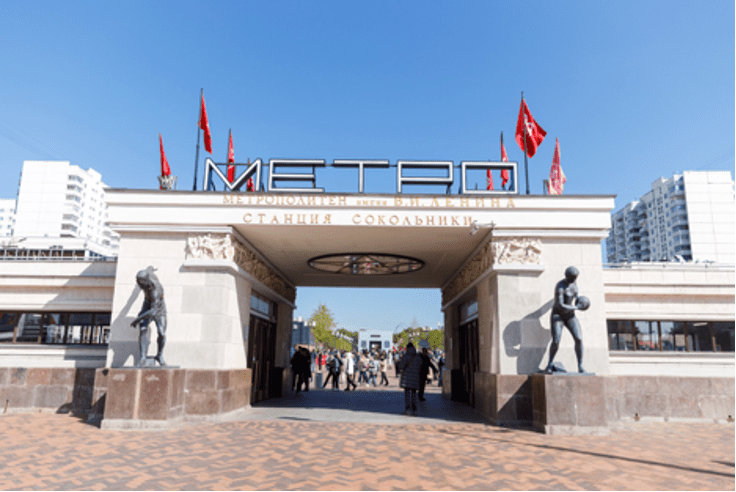
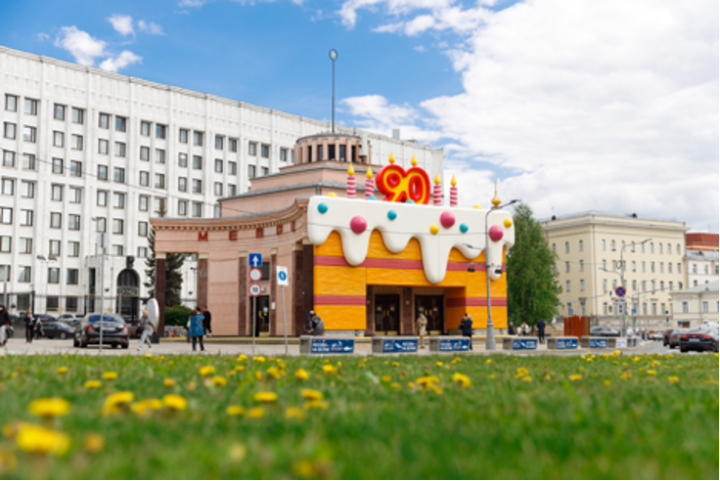
As Moscow marks the 90th anniversary of its Metro system, the city pauses to reflect on a transport network that has become far more than just a means of getting from A to B. Opened on May 15, 1935, with 13 stations and a single 11.5-kilometre line, the Moscow Metro has evolved into one of the world’s largest and most iconic urban transport systems — and arguably one of its most beautiful.
Built during a period of ambitious Soviet industrialization, the Metro was designed to be both functional and symbolic. From the beginning, stations were envisioned as “palaces for the people,” where art and architecture could elevate the experience of everyday travel. Today, that vision continues to define the Metro’s global image. Walking through its marble halls and beneath its grand chandeliers, one quickly forgets they’re in a transit system — it feels more like a museum in motion.
What sets the Moscow Metro apart is its dual role: both an essential part of the city’s infrastructure and a cultural landmark. With 302 stations across 15 lines, the system carries over 8,2 million passengers a day, achieving a remarkable punctuality rate of 99.9 percent. New lines, like the recently completed Big Circle Line — the longest metro circle line on Earth — have transformed connectivity across the city, helping to ease pressure on central routes and reduce commute times for millions.
But the Moscow Metro is more than numbers and engineering feats. It is a living chronicle of the city’s history. Stations like Komsomolskaya, with its golden mosaics and triumphal arches, or Mayakovskaya, a model of 1930s modernism, tell stories of past eras, triumphs, and tribulations. During World War II, the Metro even served as a bomb shelter and meeting space, cementing its role as a symbol of resilience.
In recent years, modernization has gone hand-in-hand with tradition. The Metro has embraced digital tools — contactless payments, facial recognition entry systems, and a widely used mobile app that integrates real-time schedules and ticketing. It was also the first in Russia to pilot the use of the digital ruble and implement blockchain-backed smart contracts for tram insurance. These efforts mark Moscow as a global leader in transit technology.
For residents, the Metro is deeply personal. It connects neighborhoods, supports local businesses, and acts as a stage for cultural events, from concerts and art exhibitions to themed trains that celebrate Russian heritage. Nearly every Muscovite has a Metro story — of daily commutes, first dates, wartime memories, or quiet moments of reflection between stations.
My own experience with the Moscow Metro has always been tinged with awe. There is a strange beauty in descending into the depths of the city and being met not by noise and grime, but by stained glass, marble columns, and carefully curated public art. It’s easy to feel that beneath the pace of daily life, the Metro holds the pulse of the city — calm, steady, and quietly magnificent.
Looking ahead, the future is ambitious. By 2030, the city plans to add over 30 new stations, extend services into newly developed districts, and push further into the realm of automation and sustainable energy. Yet at its core, the Moscow Metro remains true to its founding idea: that public infrastructure can — and should — inspire.
Ninety years after its first train rolled out of Sokolniki station, the Moscow Metro stands as both a technical marvel and a cultural treasure. It is a symbol of endurance, adaptability, and vision — an underground testament to the city’s past and a shining path to its future.

 Business Insights